Props to Paychecks: How FPV Creators Are Actually Making Money in 2024
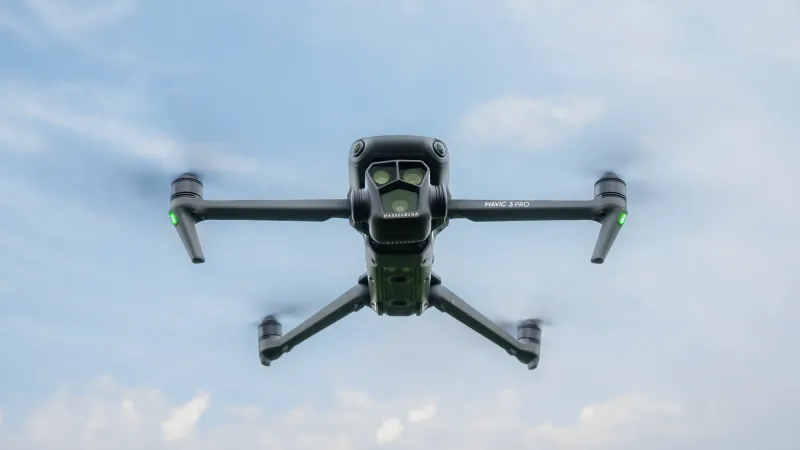
Photo: drone pilot filming FPV content creator outdoor flight, via cdn.mos.cms.futurecdn.net
Let's get the fantasy version out of the way first: you post a banger freestyle clip, it goes viral, Red Bull calls, and suddenly you're flying for free forever while the checks roll in. That does happen. It happens to roughly as many people as make the NBA.
The reality of building an income in the FPV content space is messier, slower, and — for the people actually doing it — significantly more achievable than the viral lottery suggests. The ecosystem has matured enough that there are now multiple legitimate revenue paths for creators at different scales. You don't need a million subscribers to make this work. But you do need to understand how the money actually flows.
YouTube: The Foundation, Not the Ceiling
YouTube AdSense is usually the first thing people think about, and it's usually the last place serious FPV creators make real money. The ad revenue per thousand views (RPM) in the hobby/tech niche runs somewhere between $3 and $8 depending on your audience demographics and the time of year. Do the math on a video with 50,000 views and you're looking at $150 to $400. That's nice. It's not a business.
What YouTube actually provides is reach and proof. A channel with consistent uploads, decent retention numbers, and a clearly defined niche (freestyle, racing, long-range, builds — pick one and own it) becomes a calling card for brand conversations. Sponsors don't just look at subscriber counts anymore. They look at average views, comment engagement, and whether your audience actually buys things. A 15,000-subscriber channel where the community is actively asking about gear recommendations is more valuable to a component manufacturer than a 100,000-subscriber channel full of passive viewers.
The FPV-specific brands — flight controllers, frame manufacturers, battery companies, goggle makers — have limited marketing budgets and they know their customer is watching YouTube at 11pm trying to decide what to buy. That's a very efficient advertising environment for them, which is why mid-tier FPV channels can land deals that would be impossible for similar-sized channels in other niches.
What Sponsors Are Actually Looking For
This part doesn't get talked about honestly enough. Brand partnerships in the FPV space break down into a few distinct tiers, and the expectations at each level are pretty different.
Product seeding is the entry point. A company sends you gear — a frame, a stack, a set of props — in exchange for coverage. No cash changes hands. This is how almost everyone starts, and it's genuinely valuable: you get hardware to review, they get authentic content. The mistake beginners make is treating this like a full sponsorship and expecting it to scale into income automatically.
Paid integrations are where the money starts. These are dedicated segments within a video — a 60 to 90-second spot where you demo or discuss a product — typically priced between $200 and $1,500 depending on channel size and engagement. Consistency matters more than reach here. Brands want to know you'll actually post, that your content doesn't randomly disappear for three months, and that you can hit a deadline.
Full ambassadorships — recurring monthly retainers, travel coverage for events, co-branded content — exist in the FPV space but they're reserved for pilots who've built genuine audiences and demonstrated they can drive measurable results. Think pilots who show up at MultiGP Nationals and have people stop them to talk about a video they made six months ago.
The one thing every sponsor contact will tell you: they're not looking for perfect production. They're looking for authenticity and consistency. A shaky GoPro walkthrough from someone who clearly knows what they're talking about outperforms a polished but hollow review every single time in this community.
Twitch and the Live Audience Opportunity
Live streaming FPV is genuinely underexplored relative to its potential. The barrier is real — you need a reliable setup, ideally a way to stream both your goggle feed and a camera feed of your flying space simultaneously — but the pilots who've cracked it have found something YouTube can't replicate: real-time community.
Twitch income comes from subscriptions ($2.50 to $5 per month per subscriber, split with Twitch), bits (basically tipped micro-donations), and affiliate links dropped in chat. None of it gets rich quick, but the community flywheel effect is powerful. People who watch you fly live and interact with you in chat are dramatically more likely to click your gear links, support your Patreon, and show up for your YouTube uploads.
Kick is worth mentioning as an alternative — the revenue split is more favorable to creators, and the platform has been actively courting content from non-gaming niches. It's early, but FPV has a natural home in any platform built around live performance content.
The Revenue Streams Most Pilots Overlook
Beyond the obvious platforms, the FPV economy has some less-discussed income paths that are working well for creators who've identified them:
Preset and template sales. Color grading presets for Resolve or Premiere, Betaflight tune files, custom OSD layouts — pilots with established audiences are selling these on Gumroad and similar platforms. Prices range from $5 to $30, and a well-promoted preset pack to an engaged audience can generate a few hundred dollars in a weekend.
Online coaching and builds. The learning curve in FPV is steep and people will pay to shortcut it. Pilots with credibility in the community are charging $50 to $150 an hour for remote coaching sessions, build consultations, and tune help over Discord video calls. It's not passive income, but the hourly rate is solid.
Stock footage licensing. This one is legitimately underutilized. FPV footage — particularly cinematic long-range and freestyle clips — has real commercial value to ad agencies, real estate firms, and production companies. Platforms like Pond5 and Artgrid accept contributor submissions, and unique perspectives (industrial sites, rural landscapes, motorsports events) can sell repeatedly.
Local commercial work. Not strictly content creation, but pilots who build an audience often find that audience includes local businesses interested in drone video. Having a YouTube channel is a portfolio. Use it like one.
The Honest Timeline
If you're starting from zero, here's the realistic arc: six months of consistent posting to build a library, a year before you're getting meaningful product seeding offers, eighteen months to two years before paid integrations become a regular thing. That's not a guarantee — it's a best-case scenario for someone posting quality content on a consistent schedule and actively engaging their community.
The pilots making real money in this space didn't stumble into it. They treated content creation like a second job before it paid like one. The props don't fly themselves, and neither does the income. But the ceiling in this niche is higher than it's ever been, and it's still going up.