The Grind to Glory: Inside the Grassroots Pipeline Turning Backyard Pilots into National FPV Champions
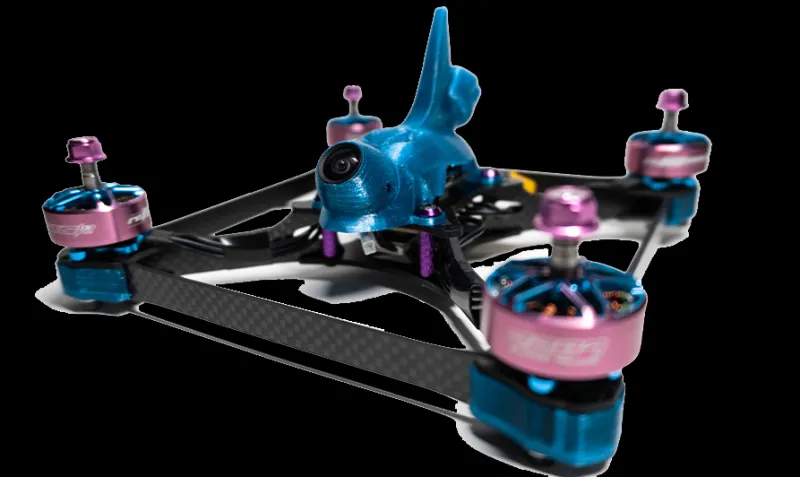
Photo: Mr.Oizo FPV, CC BY-SA 4.0, via Wikimedia Commons
Somewhere in a church parking lot in rural Ohio right now, a sixteen-year-old is running the same course for the fortieth time this afternoon. She's not doing it for a crowd. There are no cameras, no sponsors, no prize money. She's doing it because she shaved a tenth of a second off her best lap last Tuesday and she knows she can find another tenth today.
That's the part of American FPV racing nobody puts in the highlight reel—the unglamorous, repetitive, deeply personal work that separates pilots who stay local forever from the ones who eventually show up at MultiGP Nationals and genuinely contend.
We spent time talking to pilots, club organizers, and regional coordinators across the country to understand how that pipeline actually works—and where it's quietly producing talent in places you might not expect.
The Entry Point: It's Messier Than You Think
There's no single on-ramp into competitive FPV racing in America. Some pilots come through the simulator route—hundreds of hours in Velocidrone or Liftoff before they ever arm a real quad. Others crash their way through a $150 beginner build before they understand what a PID is. A surprising number get introduced through a local club member who showed up at a community event with a gate and a couple of quads.
What's consistent across almost every competitive pilot's origin story is the club. The local chapter—whether it's affiliated with MultiGP, AMA, or just a loose group of people who text each other about flying spots—is where the foundation gets built.
"Without the Tri-State FPV club I would have quit after two months," says Marcus Webb, a 22-year-old pilot from Cincinnati who placed in the top 20 at a MultiGP regional qualifier last season. "I was crashing everything and getting frustrated. The guys there showed me how to actually look at my footage and figure out what I was doing wrong. That changed everything."
The mentorship layer inside these clubs is informal but critical. Experienced pilots who take time to review footage with newer members, share tune files, and explain course strategy are doing more for the sport's competitive depth than any official development program.
The Regional Hotspots You're Not Hearing About
FPV media coverage tends to cluster around the coasts and a handful of major metros. The reality of where competitive talent is developing looks quite different.
The Southeast has quietly become one of the most active regions in American FPV racing. Florida's year-round flyable weather means clubs in the Tampa Bay area, Central Florida, and around Jacksonville are logging more flight time than almost anywhere else in the country. Texas—particularly the Dallas-Fort Worth corridor and the San Antonio area—has a dense network of clubs producing pilots who consistently perform at regional qualifiers.
The Midwest is underrated. Ohio, Indiana, and Michigan all have active club ecosystems, and the indoor racing scene in cities like Columbus and Grand Rapids has been a legitimate proving ground for pilots who might otherwise plateau without year-round competition.
Perhaps most surprising: pockets of serious FPV development are showing up in smaller cities and rural areas where flying space is abundant and community ties are tight. A club in a mid-sized Kansas town with access to a private farm property can develop pilots faster than an urban club that's constantly fighting for permits and airspace.
"Space and consistency are the two things that matter most for development," says Rosa Delgado, who organizes races for a club in Albuquerque and has been running sanctioned events for three years. "We have a spot we can use every single weekend. That regularity is what lets pilots actually build on what they learned last week instead of starting over every time."
The MultiGP Ladder: How the Progression Actually Works
For pilots aiming at national-level competition, MultiGP is the dominant competitive structure in the US. Understanding how to climb it is something a lot of developing pilots figure out too late.
The pathway looks roughly like this: local chapter races build base skills and race-day composure. Chapter qualifiers and regional events introduce higher competition density and more formal race formats. The MultiGP Regional Championship Series is where serious national aspirants start separating themselves from recreational racers. From there, the MultiGP Nationals is the marquee event—and the results there are what sponsors actually look at.
The mistake a lot of developing pilots make is skipping steps. They'll log impressive lap times in local races and assume they're ready to compete nationally, then get humbled by pilots who've spent years racing in high-pressure formats. Race-day performance is a separate skill from raw flying ability, and it only develops through repetition in competitive environments.
"Sim time builds your stick skills. Race time builds everything else," says Jake Prentiss, a sponsored pilot from the Atlanta area who's been competing nationally for two years. "Reading a course, managing your nerves in a heat, knowing when to push and when to protect your position—none of that comes from flying alone in a field."
What Separates the Pilots Who Break Through
After talking to a dozen pilots and organizers, a few patterns emerge pretty clearly among those who make the jump from regional competitor to genuine national contender.
Systematic self-review. Elite pilots watch their own footage obsessively and with a critical eye. They're not watching to enjoy their flying—they're hunting for the moments where they gave up time, chose the wrong line, or hesitated. Pilots who plateau often skip this step or do it casually.
Technical self-sufficiency. The best racers understand their equipment deeply enough to tune, troubleshoot, and repair it themselves. Pilots who rely on others to maintain their gear are at a structural disadvantage—especially at multi-day events where things break and time matters.
Competition volume. There's no substitute for racing reps. Pilots who compete every chance they get—even at small, informal events—develop race instincts faster than those who save themselves for "important" events.
Community investment. This one surprises people, but the pilots who give back to their local clubs—helping set up courses, mentoring newer pilots, volunteering at events—tend to get more out of the community in return. Better practice partners, faster access to tuning knowledge, stronger networks that eventually connect them to sponsors.
The Sponsorship Question
For a lot of developing pilots, sponsorship feels like the finish line. In reality, it's more of a checkpoint—and the path to it is less mysterious than it seems.
Small component sponsors (props, batteries, hardware discounts) are accessible to pilots performing consistently at the regional level who have even a modest social media presence. Meaningful brand partnerships require a combination of competitive results, content creation ability, and community visibility. Full-ride sponsorships that cover travel and equipment are rare and reserved for pilots at the top of the national standings.
The pilots who get sponsored and stay sponsored are almost always the ones who treat it like a professional relationship—delivering content consistently, representing brands authentically, and communicating proactively with their sponsors. Being fast helps. Being reliable and easy to work with matters just as much.
The Road Is Long, and That's Kind of the Point
American FPV racing doesn't have a fast track to the top. The talent pipeline is built on years of local community involvement, unglamorous practice sessions, and the kind of steady improvement that only comes from taking the craft seriously over time.
The good news is that pipeline is real, it's accessible, and it's producing legitimate national talent from places nobody expected. If you're putting in the reps right now—in a parking lot in Ohio, a farm field in Texas, or a warehouse in Grand Rapids—you're already in it.