Reading the Field: Why FPV Race Prediction Is Turning Into Its Own Competitive Sport

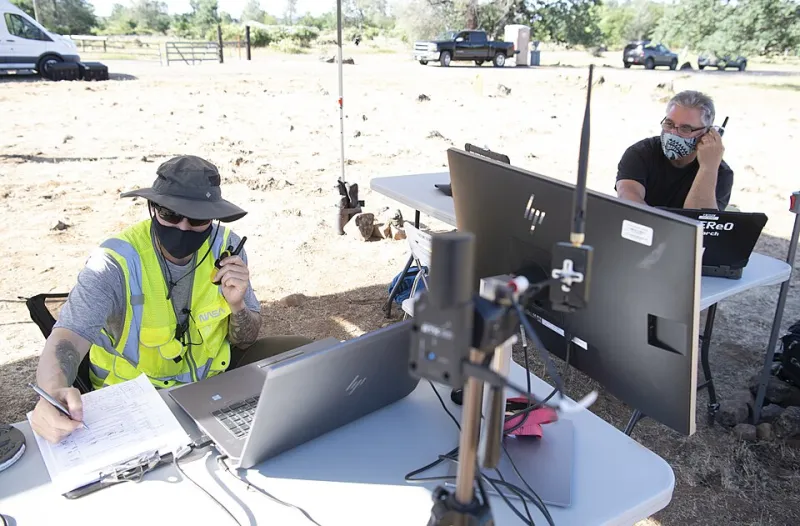
For most people at a MultiGP regional, the vibe is simple: show up, fly fast, maybe grab a burrito from the food truck parked outside the venue. But tucked into the bleachers or huddled around a laptop in the pits, there's a different kind of competitor quietly doing math. They're not holding a radio. They're not soldering anything. They're predicting — and increasingly, they're right.
FPV race forecasting is carving out its own corner of the drone racing world, and the people doing it are treating it with the same seriousness that a crew chief brings to NASCAR strategy. It's still grassroots, still informal, but the sophistication of the methods being used is genuinely surprising.
More Than a Gut Feeling
Ask anyone who's been deep in the FPV scene for a few years and they'll tell you: experienced observers can often guess who's going to podium before a single lap is flown. That instinct used to be written off as just "knowing the scene." But a new generation of forecasters is formalizing that intuition into something reproducible.
Take Marcus Webb, a 29-year-old from Columbus, Ohio, who started keeping detailed spreadsheets on regional pilots about two years ago. What began as a personal project to improve his own flying — "I wanted to understand what the fast guys were actually doing differently" — turned into a prediction system he now shares with a small Discord community.
"I track gate-by-gate splits when I can get them, which isn't always," he says. "But even without that, you can learn a lot from how a pilot handles the first corner of a race. Some guys are throttle-heavy off the line and fade. Others are conservative early and hunt you down in the back half. Once you know the pattern, it's pretty consistent."
His hit rate on top-three finishes at local events? He claims somewhere north of 70 percent. The community he runs has started calling it "pattern recognition flying" — understanding the behavioral fingerprint of individual pilots and using it to anticipate outcomes.
The Data Points That Actually Matter
So what are these forecasters actually looking at? The inputs vary, but a few data categories come up again and again.
Pilot tendencies under pressure. Does a particular racer tighten up in head-to-head brackets versus time trials? Some pilots post blistering qualifying laps but fold when someone's flying inches off their tail. Others are the opposite — their best flying happens in direct competition. Forecasters who've watched enough races can spot these patterns.
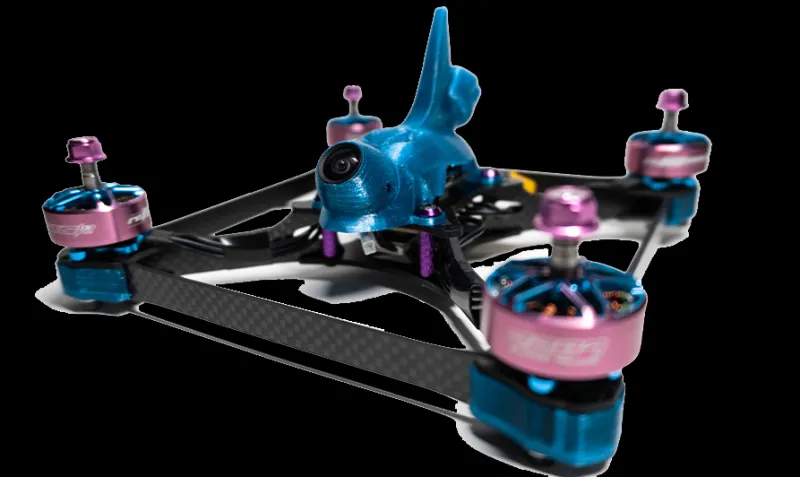
Equipment setups. This one gets surprisingly granular. Knowing whether a top pilot recently switched motor KV, changed their prop pitch, or is running a new frame matters — especially on technical courses with lots of tight turns versus wide-open speed sections. "A guy running 2306 motors on a tight indoor track is giving up something," Webb notes. "I factor that in."
Environmental conditions. Wind is the big one for outdoor events. Certain pilots are notoriously bad in gusty conditions because their tune is dialed for calm air. Others seem to thrive when it gets rowdy. Forecasters who pay attention to this have a real edge at outdoor venues, where conditions can swing dramatically between morning qualifying and afternoon finals.
Course design. A technical, low-speed track rewards different pilots than a wide-open speed course. Some forecasters have started cataloging pilot performance by course archetype, essentially building a matchup matrix that tells them who's likely to shine on a given layout.
Is This Actually Respected in the Community?
Honestly? It depends on who you ask. Plenty of pilots shrug it off — flying is flying, and all the prediction in the world doesn't move a gate. But among the more analytically minded corners of the FPV world, there's growing recognition that this kind of deep observation is genuinely valuable.
Some race organizers have even started paying informal attention to forecasters, not to influence outcomes but because good predictors often surface useful insights about course design. If a forecaster can tell you that your track layout consistently advantages one type of flying style and disadvantages another, that's actionable feedback.
Jessica Tran, who helps organize a regional series out of the Dallas-Fort Worth area, put it this way: "We had someone come to us after a race and point out that our final chicane was essentially a coin flip for anyone running a certain prop setup. They had data to back it up. We redesigned that section for the next event. That's useful."
The Prediction Underground
Most of this activity lives on Discord, Reddit threads, and small private communities. There's no official framework, no sanctioned forecasting league — at least not yet. But informal prediction contests have started popping up around major events. Groups will post their predicted bracket outcomes before racing begins, then score each other after the fact.
The scoring systems are still rough and homegrown, but they're getting more sophisticated. Some communities have started applying weighted scoring that rewards predicting upsets more heavily than chalk outcomes. Others track cumulative accuracy across an entire season rather than individual events.
The social element is a big part of the appeal. "It's a way to stay engaged with racing even when you're not flying," says Webb. "And it forces you to really study pilots and equipment in a way that most people don't. I've learned more about tuning from trying to predict race outcomes than I ever did just flying my own stuff."
The Meta-Skill Nobody Talks About
Here's the part that's actually kind of wild: the best forecasters in these communities are often becoming better pilots as a side effect. Spending hours analyzing why certain setups underperform on certain track types, or why specific pilots struggle in crosswinds, creates a feedback loop that sharpens their own technical understanding.
It's the same phenomenon you see in other sports — the obsessive film-room guy who eventually translates that knowledge into on-field performance. In FPV, the equivalent is the forecaster who starts applying their analytical framework to their own tune, their own flying style, their own track approach.
Whether race prediction ever formalizes into something with official standing in the FPV world remains to be seen. The community is still figuring out whether it wants to embrace the analytical side of the sport or keep the focus squarely on sticks and throttle. But the forecasters are already here, already building their databases, already calling shots with uncomfortable accuracy.
Next time you're at a regional and you see someone in the bleachers who isn't flying but looks way too focused to just be watching — they might be doing math. And they might already know who's going to win.